
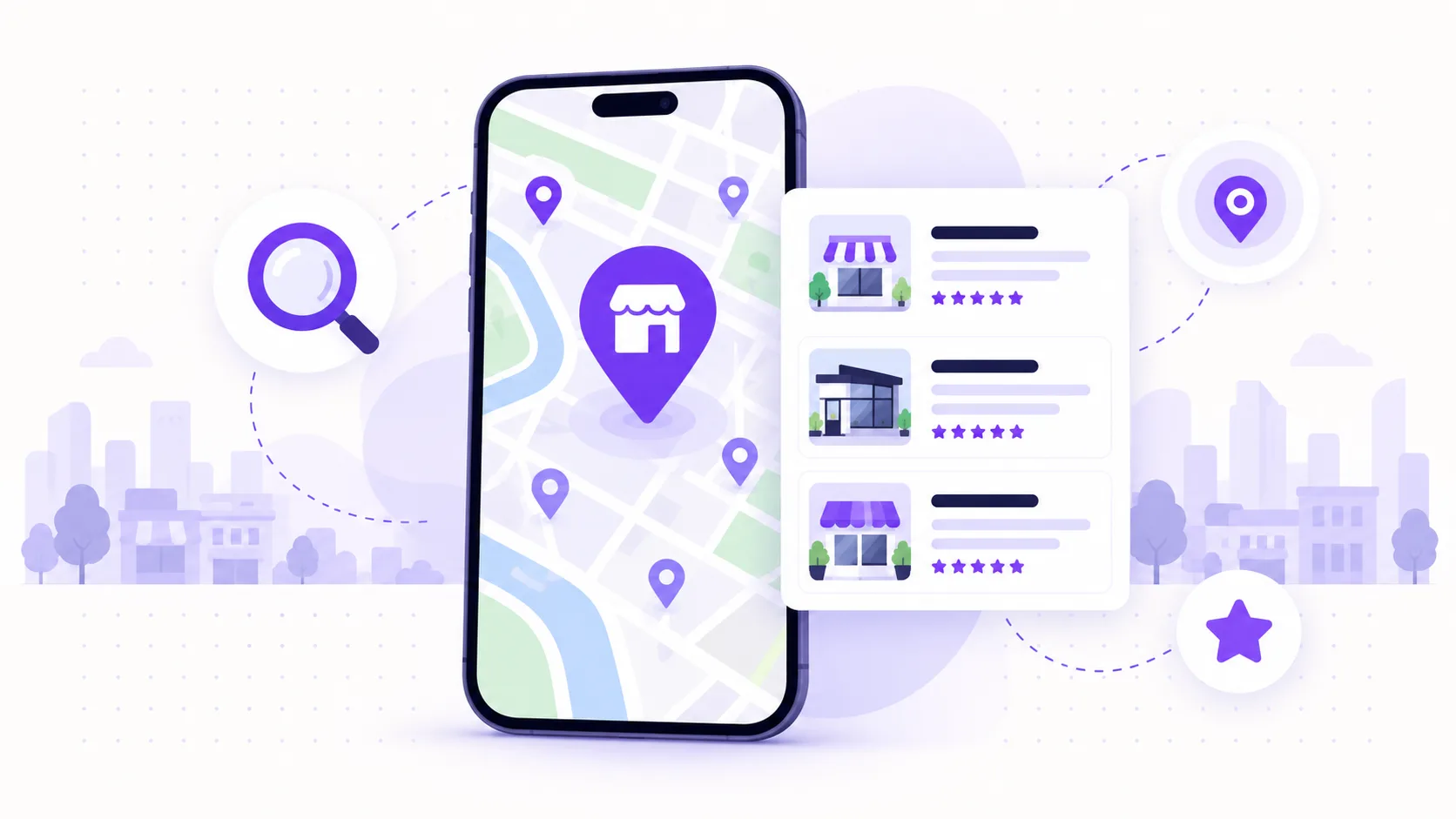
When someone searches for "pharmacy near me" or "plumber Thessaloniki", the decision is made in seconds, and almost always from the first results on the map. Local SEO is exactly that: being there, at the moment someone nearby is ready to buy.
What Google actually looks at
Google itself says local ranking rests on three factors:
- Relevance. How well your business matches what the user is searching for.
- Distance. How close you are to the point of the search. You do not control this.
- Prominence. How well known and trusted your business is, online and offline.
Since you cannot change distance, the work falls on relevance and prominence. That is where you win positions.
Google Business Profile: the fastest win
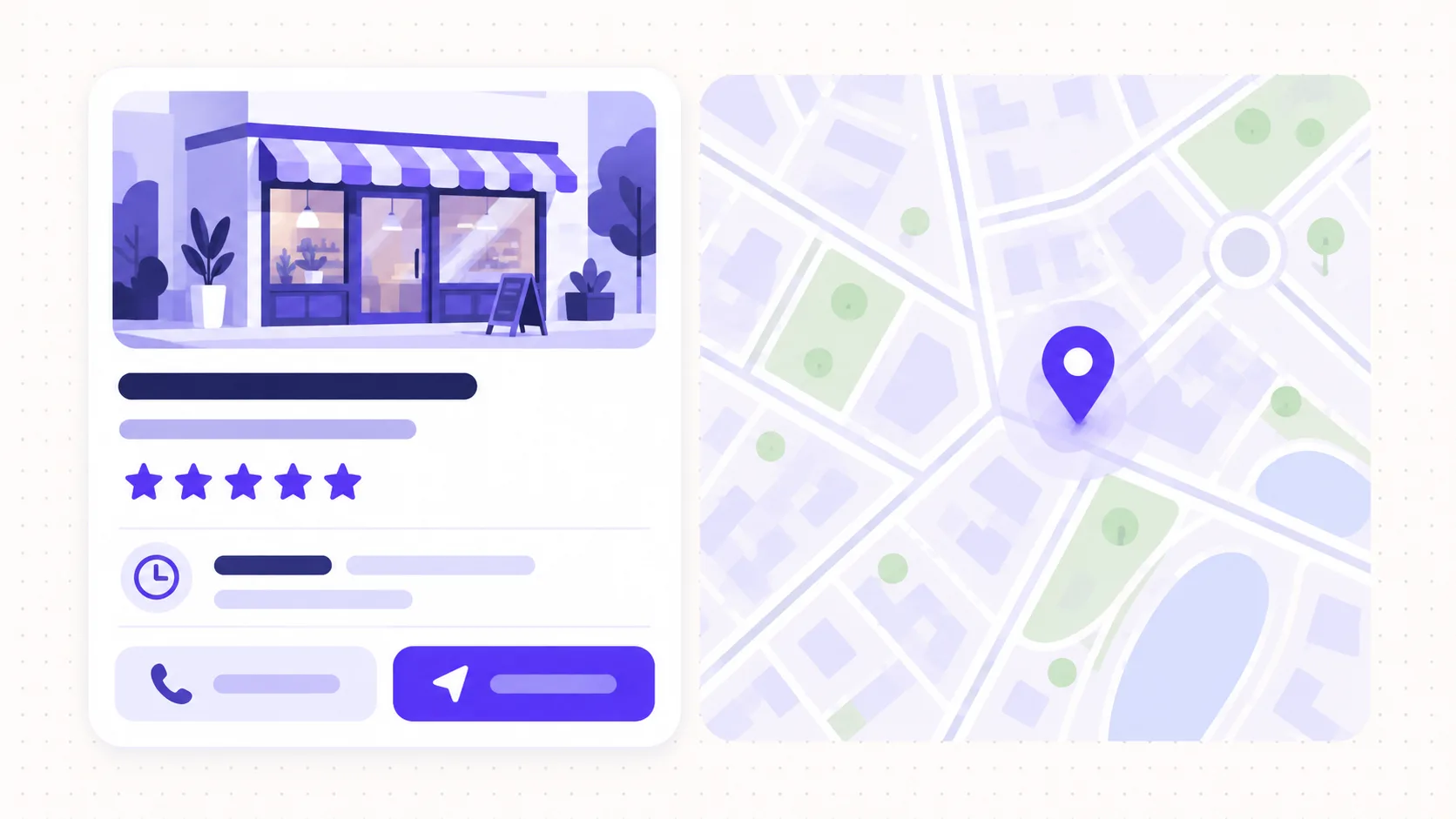
Your Google profile, meaning the map, the hours, the photos and the phone numbers, is what pays off fastest. Verify it, pick the right primary category, fill in everything, upload real photos and keep it alive with updates. A well-set-up profile often brings more calls than the website itself.
Reviews: the de facto judge of the map
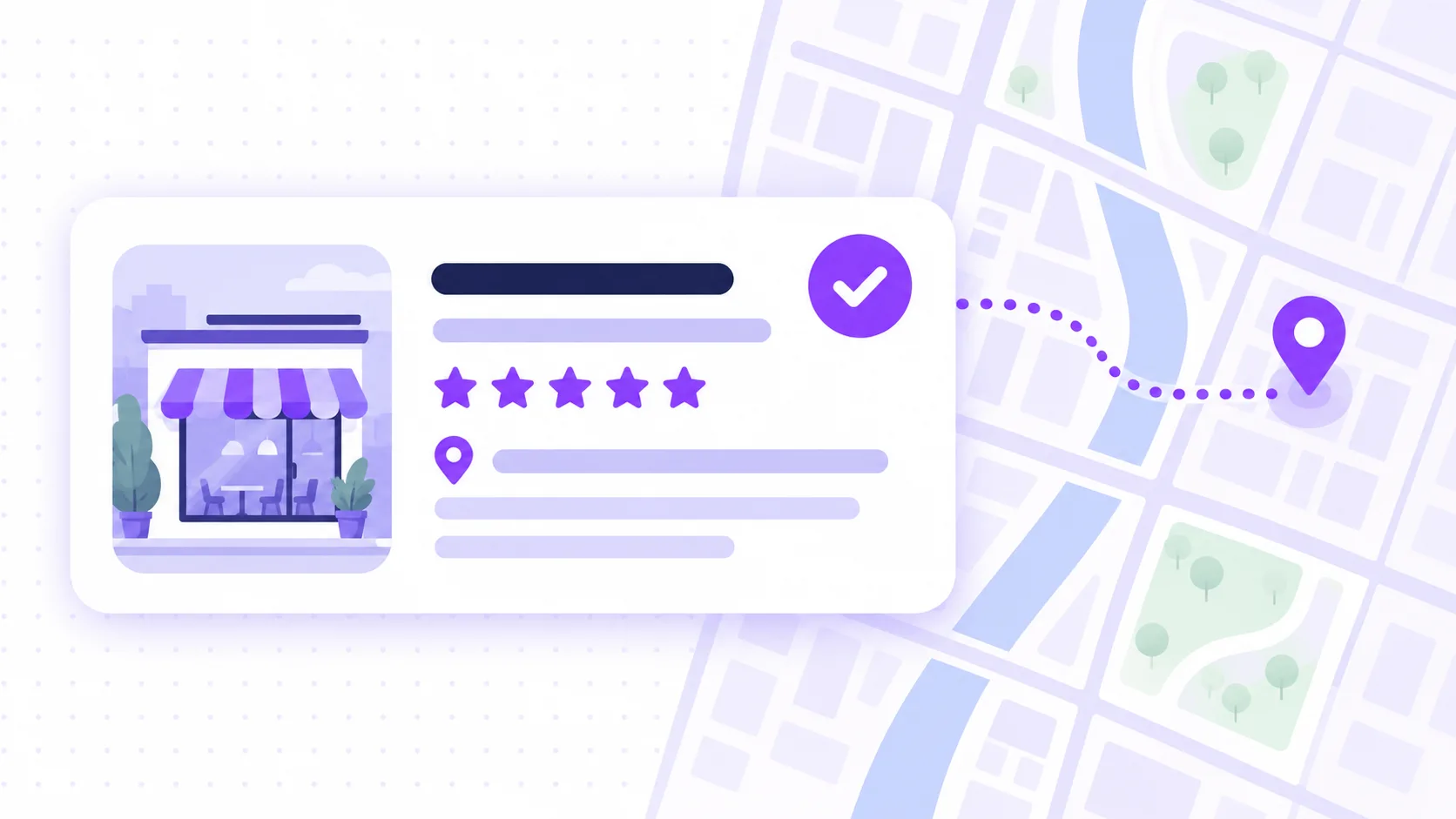
Reviews are among the strongest signals for your position on the map, and certainly for whether the user picks you. Ask for them systematically and legally, keep a steady flow and reply to all of them, positive and negative. Never buy reviews, it is both risky and obvious.
Your website: speak the language of the area
The website supports all of your local effort. You need clear local pages per city, area and service, correct contact details in the exact same format everywhere, LocalBusiness schema so Google reads you clearly, and a fast, clean site on mobile, where most local searches come from.
What is new in 2026: local visibility inside AI
"Near me" no longer lives only on the map. More and more people ask directly "what is a good place for [service] in [area]" in ChatGPT, Gemini or Google's AI Overviews, and get a ready recommendation. The same signals matter, namely clean details, reviews, consistency and third-party mentions, but now you build visibility there too. We cover this separately in our article on AEO and GEO.
How you measure whether it works
Look at practical numbers: how many calls and direction requests your profile brings, how many impressions you get on your category searches, how your reviews move compared with competitors, and where you appear on the map from different points in the area.
Where to start, in order
- Verify and fully complete your Google Business Profile.
- Put a simple, steady process in place for asking for reviews.
- Build your site's local pages and LocalBusiness schema.
- Make your contact details exactly the same everywhere.
- Build a few local mentions, from chambers of commerce, local media and partnerships.
- Ask the AI engines about your service in your area and see where you are missing.
How we help
We set up your Google Business Profile properly, build the local pages and schema, put a review process in place, build local mentions and track where you appear on the map and inside AI answers. Local SEO does not need a big budget, it needs consistency and method. If you like, we run a check and tell you what to tackle first.
Sources: Google's official documentation on local ranking (relevance, distance, prominence) and Google Business Profile, Google announcements on AI Overviews.