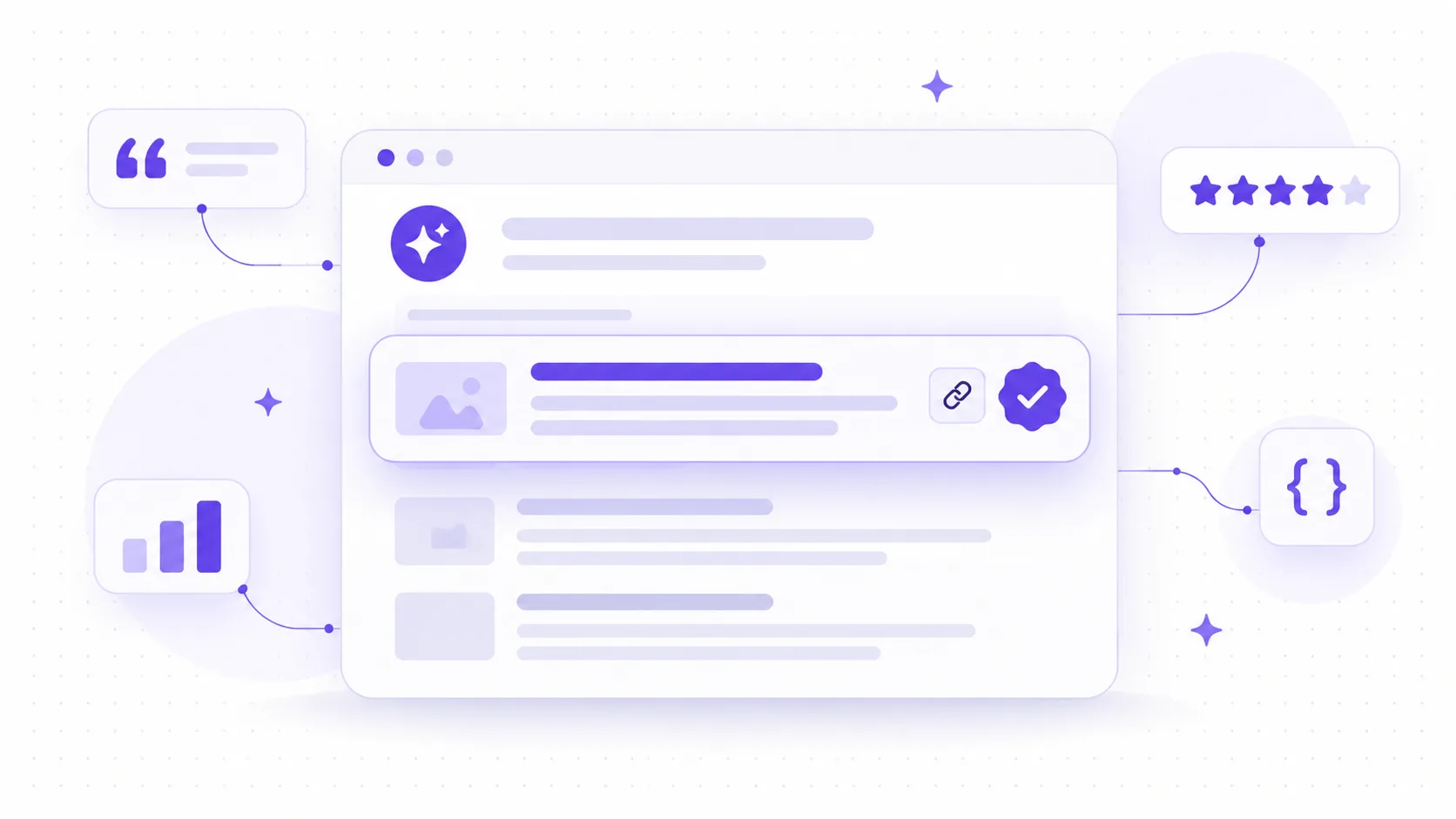
The way people search is changing fast. Instead of typing a few words and scrolling ten blue links, more and more people ask ChatGPT, Gemini or Perplexity in full sentences, or read the ready answer Google puts at the top, the AI Overviews. The result: the engine gives one answer and names very few brands. If you are not among them, you simply do not exist for that user.
What AEO and GEO are
AEO stands for Answer Engine Optimization and GEO stands for Generative Engine Optimization. In practice they mean the same thing: how you shape your content so AI tools understand you, trust you and cite you inside their answers. Classic SEO helps you climb Google's results. AEO/GEO helps you become the answer, even when the user sees no list of results at all.
The good news: you are not starting from zero. AI engines lean heavily on solid content and trust signals, the same ones good SEO builds. What changes is how you present them.
Where the game is played
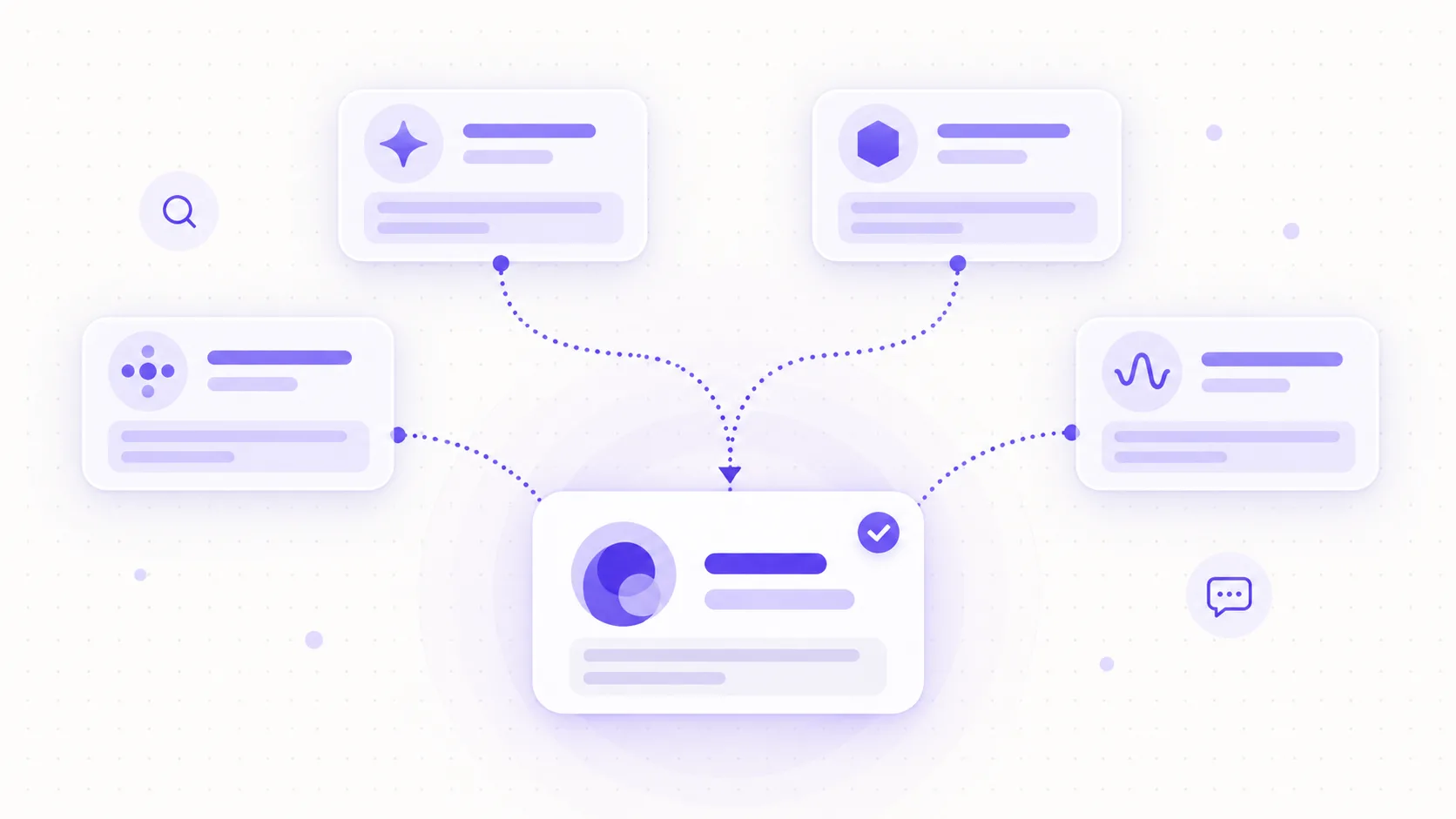
There is not one engine, there are many, and each picks sources a little differently:
- ChatGPT: when it searches the web, it shows sources with links. It leans fairly heavily on established, recognized sources.
- Google AI Overviews and AI Mode: the AI answer above the classic results. It is rolling out gradually to more and more European countries.
- Perplexity: it gives strong weight to freshness and cites its sources clearly.
- Gemini: the AI answer inside Google's ecosystem.
Important: the overlap between them is small. A page cited by ChatGPT is not necessarily cited by Perplexity too. That is why you work to appear in several, not in one.
What AI looks at to recommend you
A Princeton University study on GEO showed that specific moves raise the odds of an AI engine citing you, by up to 40% in some cases. The most consistent findings:
- Concrete specifics. Numbers, dates, percentages and names, not vague generalities. AI trusts and reproduces something measurable more easily.
- Sources and citations. When you back what you say with credible references, the engine's trust in you goes up.
- Answer first. State the conclusion at the start of each section, then explain. Engines pick up clean, self-contained answers more easily.
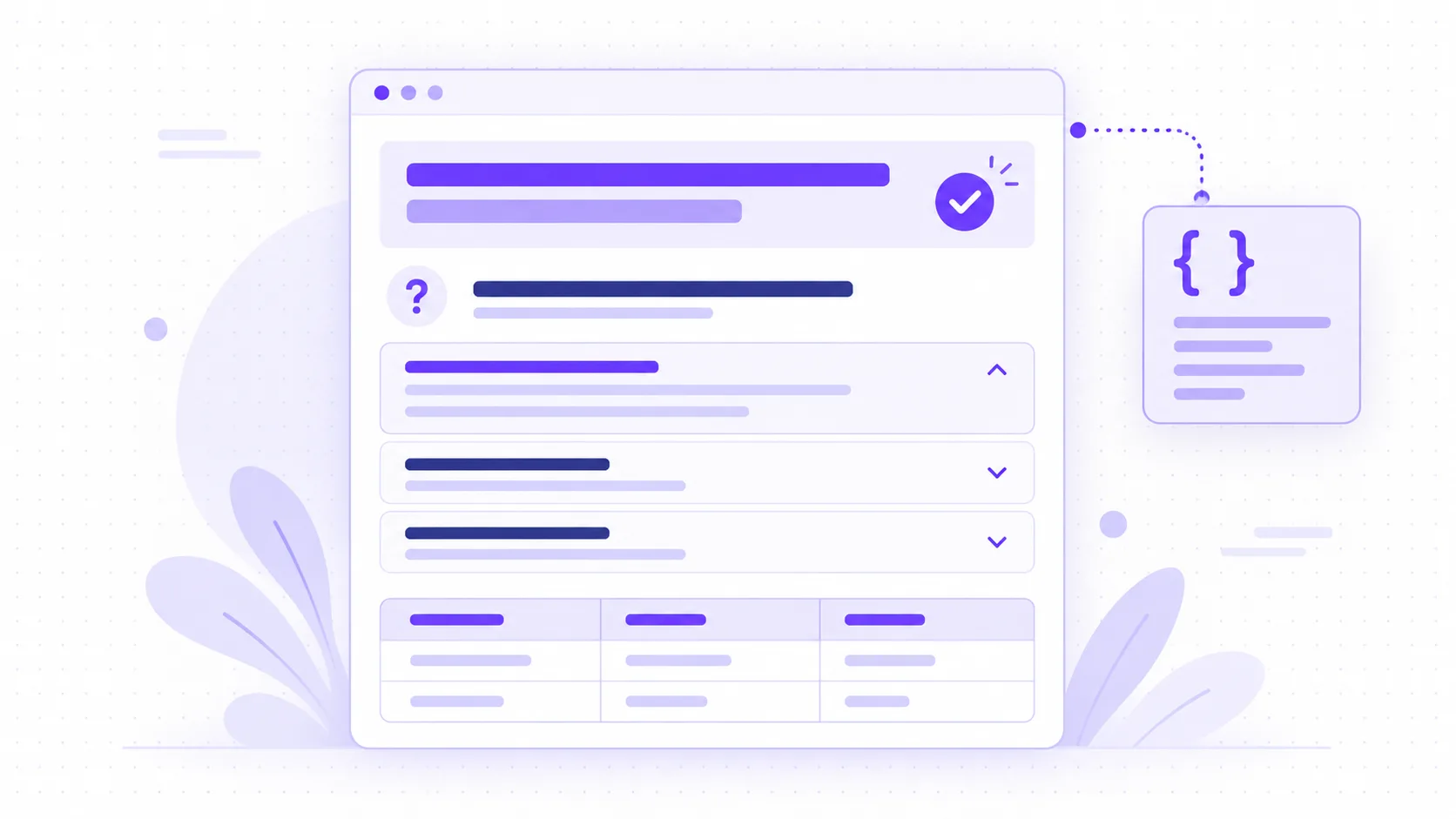
- A question-based structure. Question-style headings, short paragraphs, lists and tables. That way it quickly finds the part that answers the user's question.
Seven practical steps
- Write for questions, not for keywords. Think how someone would ask it out loud, and answer it directly.
- Add concrete data. Replace "very fast" and "affordable prices" with real numbers.
- Add structured data (schema). Product, FAQ, price, reviews, business. They help the engine read clearly what you are.
- Build real FAQ pages. One question, one clear answer. It is AI engines' favorite material.
- Build presence off-site too. Reviews, listings, third-party mentions. Engines cross-check your brand across many places.
- Keep content fresh. Updated dates and figures matter, especially for Perplexity.
- Do not lock the door. Make sure you are not accidentally blocking AI crawlers and that your content is clean and accessible in the code.
How you measure whether it works
There is no single perfect tool yet, but there are clear signs. Ask the engines yourself with your industry's questions and see whether and how you appear. Track in your analytics the traffic coming from ChatGPT, Perplexity and Google AI. And keep a simple log: which questions bring you in, where you are missing, what changed after each improvement.
The most common mistakes
- Text full of generalities without a single concrete fact.
- The answer hidden in the third paragraph instead of at the start.
- No schema and no FAQ pages.
- Zero off-site presence, so the engine has nowhere to cross-check you.
- Expecting that what worked on one engine will automatically work on the others.
How we help
We run an AI visibility check: we ask your industry's questions, record where you appear and where you do not, and build a plan. Then we move to action, with structured data, FAQ pages, content restructured in answer form and technical cleanup so the engines read you correctly. AEO does not replace SEO, it completes it. If you want to see where you stand today inside AI answers, we check it and tell you what to change first.
Sources: Generative Engine Optimization study (Princeton University), Google announcements on AI Overviews and AI Mode, ChatGPT Search and Perplexity documentation.